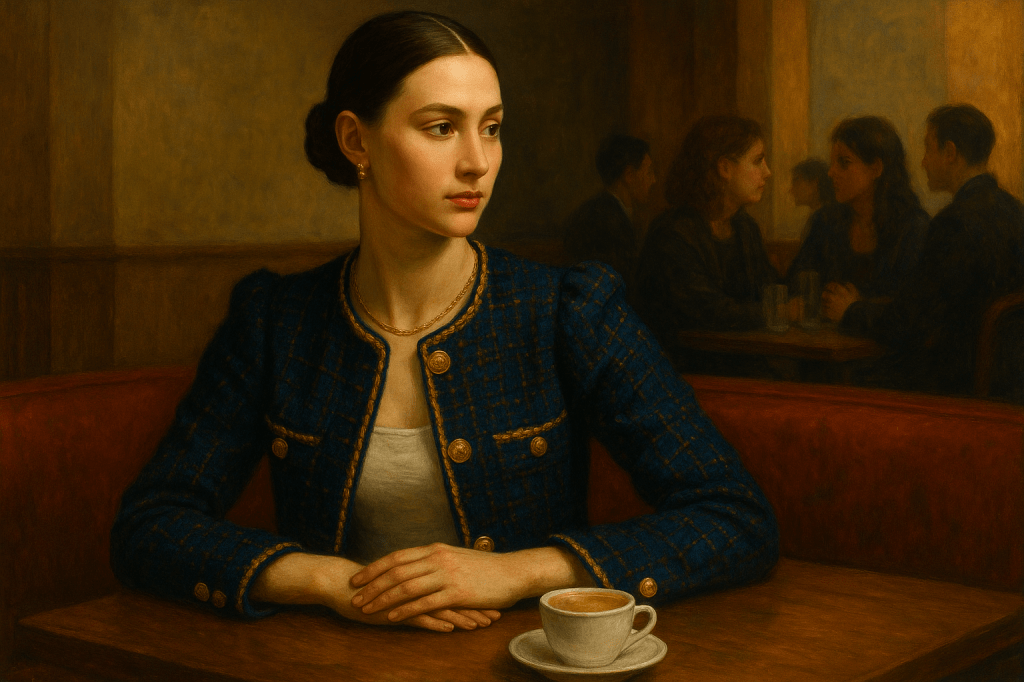
I still remember the rush I felt walking out of that tiny, dimly-lit thrift store tucked between a laundromat and a Korean bakery in Williamsburg. The blazer was heavy in my tote, but light on my budget — $25 for something that screamed old-money elegance. As I stepped into the sunlight, the navy boucle shimmered faintly, and the gold crest buttons caught just enough of the afternoon light. It looked like Chanel. It felt like Chanel. But I had just paid less than what I usually spend on oat milk lattes for a week.
That was the beginning of my love affair with intentional thrifting.
The Thrill of the Hunt
I started thrifting for the same reason a lot of girls do — tight modeling schedules, a love for fashion, and rent that doesn’t care about either. But it became more than survival. It turned into this slow-burning obsession with texture, tailoring, and treasure.
Thrifting isn’t just about saving money. It’s about learning how to see. You learn to spot the structure of a jacket from a distance. You learn to touch wool and tell if it’s cheap blend or merino-rich. You learn to read interior tags like a language.
On that particular Tuesday (because thrift miracles never happen on weekends), I had just wrapped a casting and was walking toward the subway when I decided to duck into “Second Verse” — a thrift store I rarely visit. No playlist, no friends, no expectations. Just instinct.
What to Look For: A Model’s Checklist
If you want to go from random racks to runway-quality finds, here’s what I look for in every thrift session:
- Fabric First: If it’s scratchy polyester, walk away. I run my fingers down the sleeves. Look for natural fibers like wool, cotton, silk, or cashmere. You can often find brands that mix in high-end textiles without the price tag.
- Stitching Speaks: Good construction doesn’t lie. Flip the piece inside out. Are the seams cleanly finished? Does the lining lay flat, or does it bubble and pull? Those are red flags.
- Buttons and Hardware: The Chanel-style blazer I found had these faux brass buttons with tiny lions carved into them. Were they real Chanel? No. Did they feel expensive? Absolutely.
- Shoulders Matter: Poorly structured shoulders can ruin a silhouette. I look for slightly padded, structured shoulders that taper down — it gives that French fashion house energy.
- Labels to Learn: Over time, you’ll start recognizing sleeper brands. Vintage Escada, Evan-Picone, or even 90s Talbots had killer tailoring. I once found a Ralph Lauren Purple Label coat wedged between polyester prom dresses. Know your labels, but trust your eye more.
Styling the Blazer: From Thrift to High-End Feel
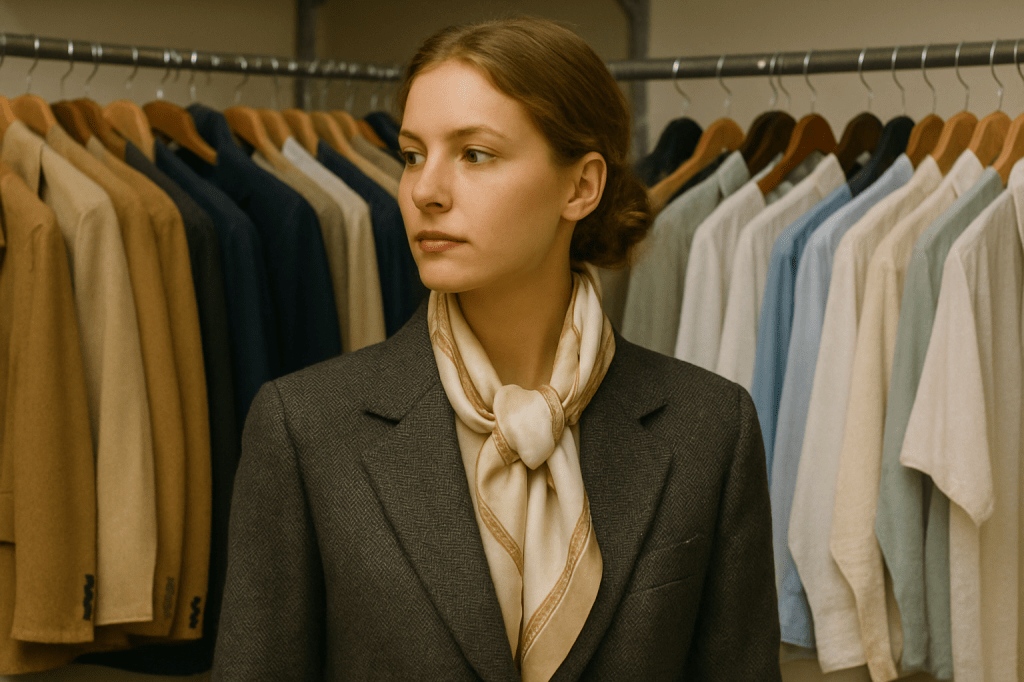
Once I got home, I put the blazer on my garment steamer and played Françoise Hardy through my speaker. The buttons gleamed a little more once cleaned. The shoulders were boxy but somehow still feminine. The navy boucle had that quiet confidence — structured but soft.
Here’s how I made my $25 find feel like a $2,500 moment:
1. Keep the Rest Minimalist
I wore the blazer over a tight white tank from Skims (you could easily use Uniqlo or Hanes too). Paired it with tailored high-waisted black trousers and pointed flats. That’s it. No over-accessorizing. The blazer became the main character.
2. Elevate with Jewelry
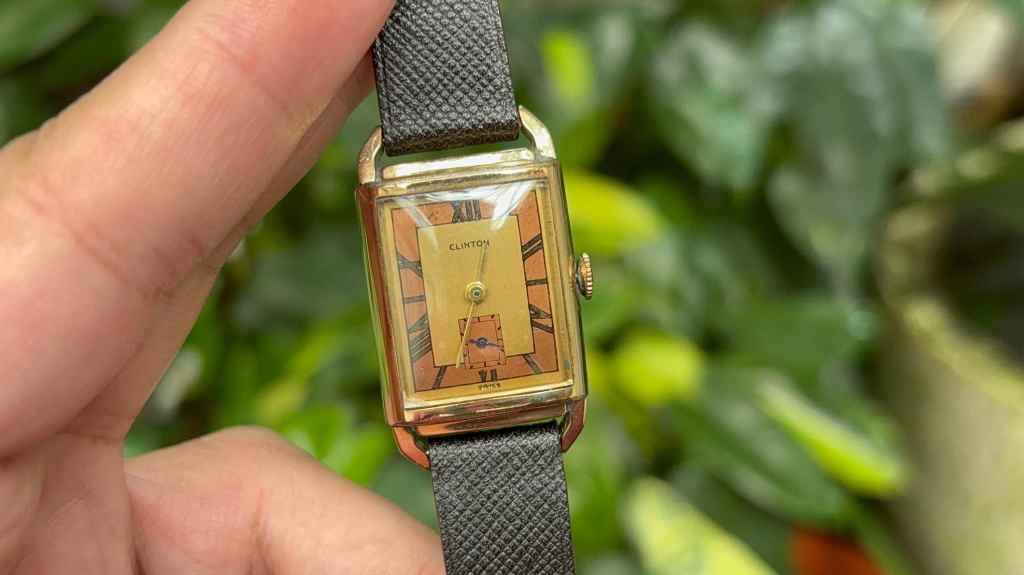
A single gold chain (not too chunky), small hoops, and a watch. Jewelry adds elegance. I wear my grandma’s vintage Cartier knockoff, and no one’s asked if it’s real.
3. Hair Slicked Back or Air-Dried Natural
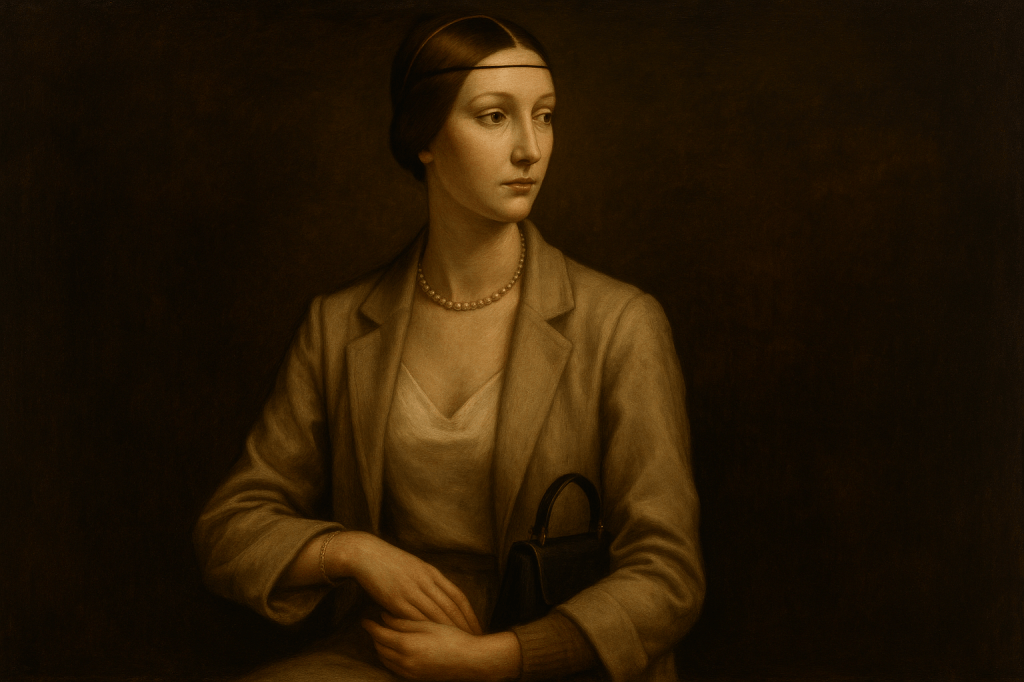
This may sound like a beauty note, but hear me out — how you wear your hair matters with vintage. A sleek bun instantly gives that “old-money intern at LVMH” vibe. But soft, wavy hair? That’s Jane Birkin goes to brunch.
4. Shoes: Leather Always Wins
If you pair thrift with plastic-y shoes, it kills the illusion. Real or faux, aim for structured leather shoes. Think loafers, ballet flats, or square-toed boots. Scuffed-up white sneakers make it feel Gen Z casual. Not bad, but different vibe.
5. Mix High and Low with Confidence
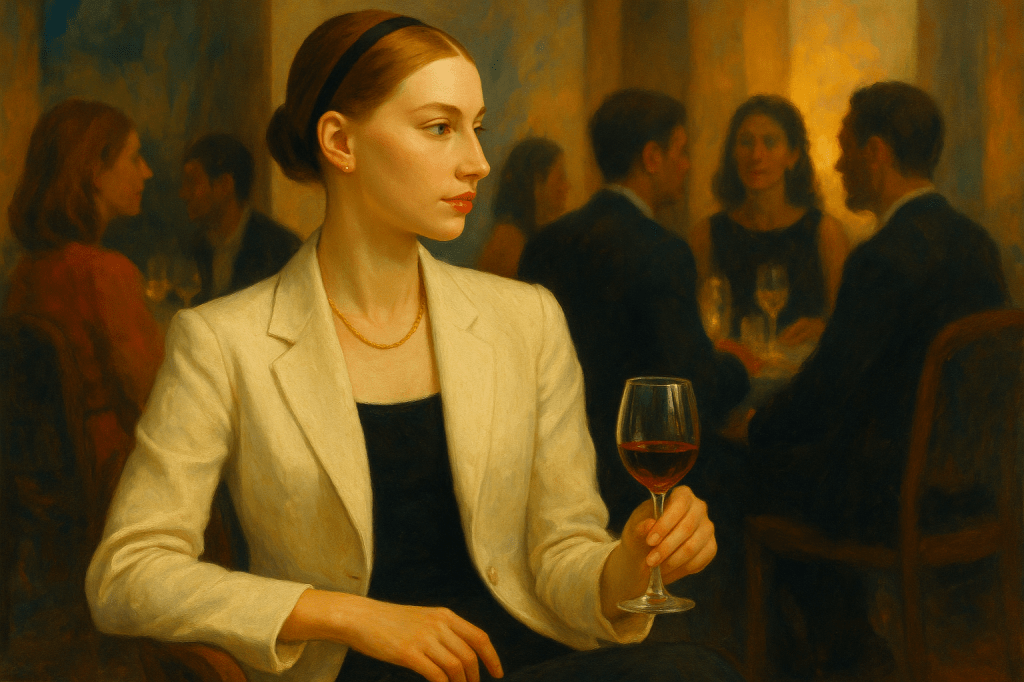
Once, I wore this $25 blazer to a rooftop event in SoHo. A girl in a $4,000 Saint Laurent coat asked me if mine was vintage Chanel. I smiled and said, “Just vintage.” Confidence is the currency. Wear it like it’s meant to be on you.
Emotional Value > Price Tag
It’s funny. I used to feel embarrassed telling people I thrifted. Like it meant I couldn’t afford “real fashion.” Now? I proudly say where I get things. There’s power in knowing you have the eye — not just the wallet. I don’t just wear clothes anymore; I curate pieces.
That blazer has now been with me through four seasons, two relationships, one Paris Fashion Week, and countless coffee runs. It’s held its shape better than some friendships.
Brands and Pieces I Keep My Eyes On
If you’re new to thrifting, here are some brands I always grab when I see them (and why):
- Ann Taylor (vintage): Shockingly good blazers from the 90s — especially with gold details.
- Jones New York: Tailoring is always strong. Ignore the old branding; focus on fit.
- Talbots (pre-2000): Pure wool, clean lines.
- Banana Republic (early 2000s): Their suiting back then? Understated and luxe.
- Escada / St. John / Pendleton: Look past the “auntie” vibe. These are rich woman at the Ritz staples.
How to Train Your Eye
- Spend a few weekends just browsing. Don’t buy.
- Feel fabrics. Read labels. Memorize silhouettes.
- Try on even the things that seem “not you.”
- Take photos and review later. Sometimes you see the gold only after the dust settles.
- Follow vintage sellers on Instagram. They often show details you’ll learn to seek out.
Why It Matters More Now
Fashion’s moving toward conscious consumerism, and rightly so. The future of luxury isn’t just about newness, it’s about discernment. Finding beauty that’s already been made — and wearing it well.
For me, thrift isn’t just a budget choice. It’s a lifestyle. It’s learning to edit, to elevate, to see what others might overlook. And that Chanel-style blazer? It was never just $25. It was a reminder that style isn’t about what you buy — it’s about how you wear it.
Final Thought
If you’ve ever stared at racks of chaotic clothing and felt overwhelmed, just breathe. Somewhere in there, your power piece is waiting. And when you find it — whether it’s boucle, tweed, or leather — you’ll know.
You’ll feel it in the stitching. In the weight. In the way it shifts your posture when you slip it on. You’ll feel it because you found it, not because it found you.
And that feeling? That’s priceless.





 a Models Secrets